Medical Skincare vs High-Street Skincare: What Actually Makes the Difference?
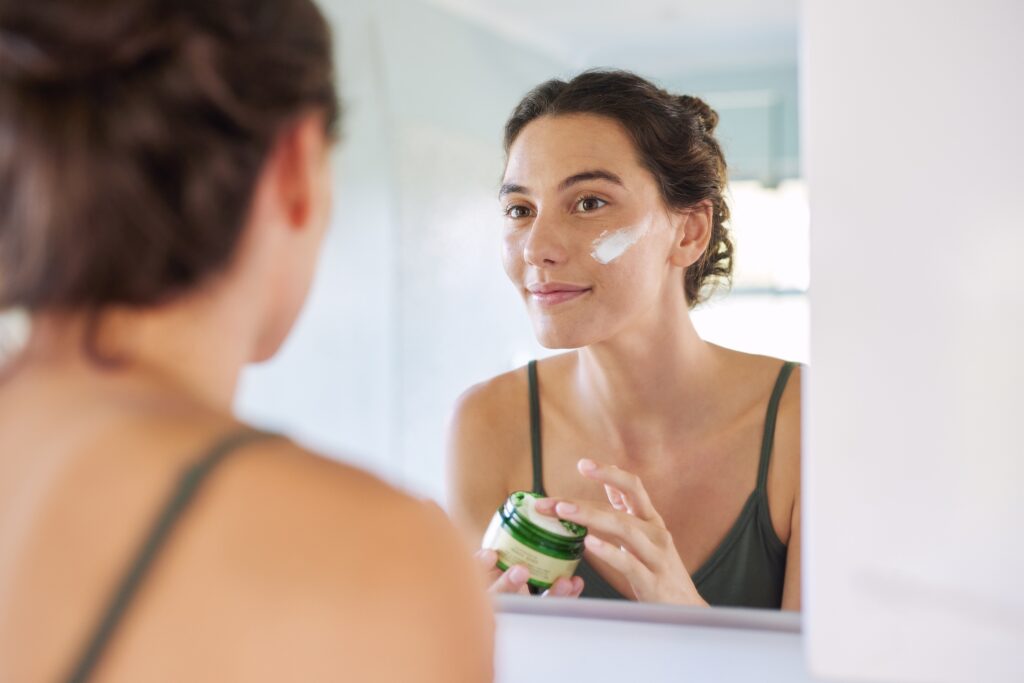
Why effective skincare depends on formulation, evidence and suitability, not simply its brand name or price.
Medical skincare isn’t automatically better than high-street skincare. What matters is how a product is formulated, the evidence behind it and, most importantly, whether it’s appropriate for your skin and the concern you’re trying to address.
Walk into a pharmacy or beauty store and the choice can feel overwhelming. Retinol, vitamin C, hyaluronic acid, peptides and exfoliating acids appear in products at vastly different price points, often making very similar claims.
As a Consultant Dermatologist, I regularly see patients who have accumulated several products without really knowing what each one is intended to do, whether they should be used together or whether they are suitable for their skin. Others assume that a product described as ‘medical-grade’, containing a higher concentration of an active ingredient or carrying a higher price tag must automatically be more effective.
The reality is more nuanced. There are excellent high-street cleansers, moisturisers and sunscreens, while professionally selected or prescription-led skincare may offer an advantage when a particular concern requires targeted ingredients, a specific strength or clinical oversight.
Good skincare isn’t necessarily about using more products or choosing the strongest ingredients. It’s about understanding what your skin needs, choosing appropriate formulations for what you want to achieve and using them consistently.
What Does ‘Medical-Grade Skincare’ Mean?
In the UK, ‘medical-grade’ isn’t a separate regulatory classification for cosmetic skincare. Prescription medicines are regulated differently and may contain ingredients or strengths unavailable in ordinary cosmetics.
Some professional skincare manufacturers invest in patented ingredients, delivery systems and clinical studies. The strongest evidence comes from well-designed controlled trials, although relatively few cosmetic products have been studied to this standard. It’s therefore more useful to examine what a product contains, how it’s formulated and whether it suits the individual than to rely on the brand name.
Why Do Formulation and Concentration Matter?
Two products can name the same active ingredient and still perform differently. Its form, concentration, stability, delivery system, pH, packaging and accompanying ingredients can all influence effectiveness and tolerability. Different forms of vitamin C, for example, vary in stability, so the percentage on the bottle tells only part of the story.
Stronger isn’t always better. Retinoids range from cosmetic retinol to prescription retinoic acid and often need to be introduced gradually. Excessive use can cause redness, dryness and peeling, making consistent treatment harder. Irritation isn’t evidence that a product is working.
Which Skincare Ingredients Have Good Evidence Behind Them?
No single ingredient is necessary for everyone, but several have evidence for particular concerns:
Retinoids are among the best studied active ingredients in dermatology and can be useful for acne, pigmentation and signs of skin ageing. The appropriate formulation and strength will depend on the individual.
Vitamin C and other antioxidants can help protect the skin from oxidative damage. With vitamin C in particular, the formulation and stability of the ingredient matter, so comparing products on concentration alone doesn’t necessarily tell you which will perform best.
Exfoliating acids, including glycolic acid and salicylic acid, can be useful for removing the dead skin cells on the surface of the skin and excess oil. Salicylic acid, for example, can be helpful for oily or acne-prone skin, while other acids may be used to improve skin texture and pigmentation. Again, they aren’t appropriate for everyone, particularly if you have sensitive skin or rosacea.
Other ingredients, including hyaluronic acid, niacinamide, ceramides, anti-glycation products and peptides, may also have a role depending on what you’re trying to achieve.
An ingredient should have a clear purpose in your routine rather than being added simply because it is popular.
What Might a Simple Routine Look Like?
These examples show how a routine might be structured rather than prescribing particular products. Begin with the essentials and introduce one targeted active at a time.
Acne-Prone Skin
Morning: Gentle or salicylic acid cleanser, a light non-comedogenic moisturiser if needed, and broad-spectrum sunscreen.
Evening: Cleanse, then use one suitable acne-focused active. Persistent, painful or scarring acne should be medically assessed.
Sensitive or Redness-Prone Skin
Morning: Mild fragrance-free cleansing, barrier-supporting moisturiser, a soothing antioxidant such as green tea, and sunscreen.
Evening: Cleanse gently and moisturise. Avoid layering acids or retinoids while skin is inflamed; persistent redness may indicate rosacea, eczema or allergy. Some people with sensitive skin may not be able to tolerate retinoids.
Pigmentation Concerns
Morning: Gentle cleansing, a stable antioxidant such as vitamin C where tolerated, and diligent broad-spectrum sunscreen.
Evening: A carefully selected retinoid or pigment-targeting product may help, but new, changing or irregular pigmentation should be assessed by a medical professional first.
Visible Skin Ageing
Morning: Gentle cleansing, an antioxidant, moisturiser and sunscreen.
Evening: Cleanse, then use a gradually introduced retinoid and moisturiser.
Consistency matters more than the number of products. Other products such as peptides and anti-glycation products may also be considered as part of an anti-ageing routine, depending on the individual.
Retinoids shouldn’t be used during pregnancy.
Can You Use Too Many Active Ingredients?
Combining a retinoid, exfoliating acid, strong cleanser and several other actives can cause dryness, stinging and skin-barrier disruption.
If skin is persistently burning, red or flaky, simplify the routine and allow it to recover. Allergic contact dermatitis is another possibility and can be investigated with patch testing.
At the other end of the spectrum, using multiple rich or occlusive products may contribute to blocked pores in oily or acne-prone skin. Sometimes reducing the number of products or switching to lighter formulations can help.
What Does a Dermatologist Look at When Reviewing Your Skincare?
When I review someone’s skincare, my intention isn’t to add products for the sake of it.
I look at the condition of the skin, the concern we’re trying to address, products already being used, previous reactions and what is realistic for that person’s lifestyle and budget.
That could mean introducing a different active ingredient or professionally selected skincare. Sometimes prescription treatment may be more appropriate. And sometimes the best advice is simply to stop using something or simplify the routine.
At Dermatology Consulting, we take the same approach when helping patients review their skincare. Existing products are considered alongside skin type, concerns and any underlying skin conditions before deciding whether anything needs to be added or changed.
Where useful, more detailed skin analysis can also help us look at features such as pigmentation, redness, fine lines and sun damage and inform an appropriate skincare or treatment plan.
The aim isn’t to create the longest routine. It’s to create one in which every step has a reason for being there.
How Can You Review Your Current Routine?
Ask three questions about every product:
- What is it meant to do?
- Is it suitable alongside everything else I use?
- Have I used it consistently enough to judge it?
A manageable routine in which every step has a reason is usually more valuable than a long one.
At Dermatology Consulting, we use and stock a carefully selected range of professional skincare products, including our own range developed in the US, alongside other established skincare brands. Products are selected for their formulations, ingredients and supporting evidence rather than simply their brand or price.
Not Sure What Your Skin Needs?
A professional review can consider your skin, main concerns, existing products, previous reactions, lifestyle and budget. Where useful, VISIA skin analysis can provide further information about pigmentation, redness, fine lines and sun damage.
Find out more about personalised skincare advice at Dermatology Consulting or explore our carefully selected skincare range.
About Dr Anne Farrell
Dr Anne Farrell is an Oxford-trained Consultant Dermatologist and founder of Dermatology Consulting in Tunbridge Wells, with more than 30 years’ experience across medical, surgical, laser and aesthetic dermatology.
Find out more about Dr Anne Farrell